

 Is it possible to know joy even in times of sorrow, sadness, and suffering? I thought I should pause and share some thoughts from my own present experience. My main role right now is as primary caregiver (with wonderful help from family and friends) for my wife of 56 years. She is in hospice care at home with stage four breast cancer. At the same time, I am being treated for bladder cancer. Given all this, how am I doing with this joy project?
I have written and taught about the fact that joy and suffering appear side by side in the Bible. I have maintained that the opposite of joy is not sadness, but despair and hopelessness. Is the apostle James totally out of touch with reality when he says, “Consider it pure joy my brothers and sisters when you face trials of many kinds” (James 1:2) or Paul when he says, “We rejoice in our sufferings?” (Romans 5:3).
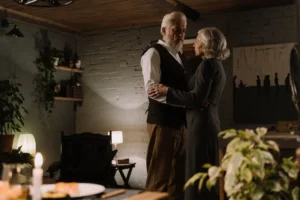
As Sharon (my wife) and I go through this difficult time together, and as I watch my wife become weaker and her health declining, of course, I have deep sadness. At the same time, she continues to express her readiness to “go and be with Jesus.” She is certainly more ready to go than I am ready to let her go. We also have many happy times of remembering, enjoying one another, and even laughter.
Emotionally, this is the hardest and most demanding work I have ever done in my life. What carries me through? First, my love for my wife. Second, my belief that God is in this, and he is a God of comfort and strength. We are not alone. We are surrounded by a loving, supportive family and church community. We are also surrounded by a loving God who has our best interests in view. His ways are not our ways, but his ways are always good. In his divine wisdom, God is working out his purposes in us as a loving heavenly Father who knows our need, hears our groaning, and brings us comfort and hope day by day.


And yes, I do believe, as the apostles promise, that this time of hardship and suffering is producing in me perseverance and building character and maturity (James 1:2-4; Romans 5:2-5). I am a better man for having endured this hardship. Sharon and I are reminded of what is important in life, and we are growing in faith and hope in God’s ultimate purpose for us—everlasting joy (Isaiah 51:11). This trial will increase our faith. And yes, it is a trial, a testing, and not a meaningless calamity intended to destroy us. God’s intention is to purify us.
Meanwhile, we are stealing many moments of joy already, even amid these present circumstances. Joy and sorrow are often intertwined. I was with my wife in the birth of all four of our children. What I observed was a good deal of pain and hard work, mingled with the joy of a new life being born. And Jesus, “who for the joy set before him endured the cross,” because he had won our redemption. (Hebrews 12:2). Isaac Watts penned these words in his great hymn, “When I survey the Wondrous Cross:”
See, from his head, his hands, his feet,
Sorrow and love flow mingled down.
Did e’er such love and sorrow meet,
Or thorns compose so rich a crown?
It is a great comfort to me to know that Jesus has walked this way before me. I find joy in following in his footsteps. He tasted our infirmities, he knew our suffering, even to the point of death.
Are you in a time of great suffering right now or maybe even approaching the final days of your life? I hope these words will offer you some hope and comfort. May the God of all comfort be very present with you in your time of need.












 Can we learn the art of finding restfulness even in our work? If we can do this, we will find joy abounding. Jesus is not a harsh taskmaster. He is gentle and lowly of heart. Yes, he invites us to come under his yoke, but his yoke is easy, and his burden is light, and we will find rest for our souls. Isn’t that what we long for, deep down inside? Not just rest for our bodies, but rest for our souls? We don’t need to keep striving and proving ourselves. We don’t need to try to make ourselves look good. Trying to prove ourselves is the hardest work we will ever do, and the most unsatisfying. And it is never done. Tim Keller says, “There is a work beneath our work that we really need rest from. It is the work of self-justification.”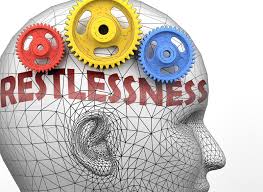







 I have become more aware that I clearly need these regular established times of remembering with thanksgiving. So, for me, mealtimes are natural opportunities to give thanks to God for his generous provision. Honestly, I had become lax and repetitious with this practice. Lately, I have been using this opportunity to remember that “every good and perfect gift comes from above” (James 1:17), and so I give thanks for food and other recent displays of God’s good gifts. “Everything created by God is good, and nothing is to be rejected if it is received with thanksgiving” (I Timothy 4:4). We can sanctify these gifts with our thankful prayers. Let’s not allow these, 3-times-daily, opportunities slip by us. Make it real, make it sincere, and feel the joy flood into your life.
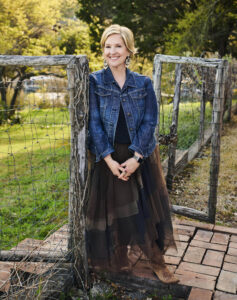 Finally, I was listening again the other day to a lecture by Brene Brown (author of Daring Greatly). She has a lot to say about joy and gratitude. She noted that when things are going very well in our lives—our job is good, our home is good, our children are doing well, we are surrounded by loyal friends—her studies show that instead of basking in the joy of our circumstances, 90% of us begin to think, “Oh, no this can’t last! What could go wrong? When will the other shoe drop?” And we begin to worry and imagine all sorts of catastrophic events that may come our way. I know this routine. This is, of course, a pathetic way to live. I will come back to this topic of worry and anxiety, but what struck me, in Brene Brown’s presentation is that she said the best antidote to this kind of worry is . . . gratefulness. Yep, that’s it. Sure, things can go wrong, and hard times will come. But the key is to live in the moment, to let ourselves be grateful and joyful now for these good things. Soak up the sunshine of this day rather than worrying about the clouds that will come.


 Are you a grateful person? Gratitude does not come easy for many of us. If you are like me, you may find yourself prone to think, “What have you done for me lately, Lord?” But I am learning to cultivate a grateful heart. And this is essential to the experience of joy. Thankfulness and joy go hand in hand.